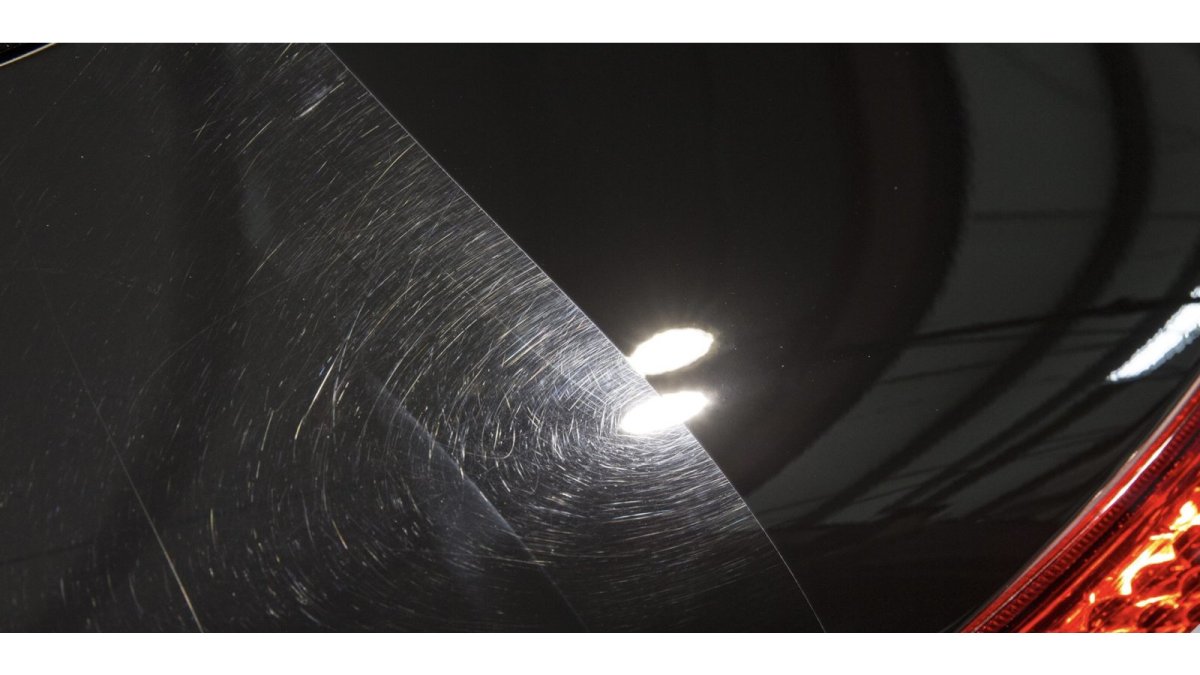
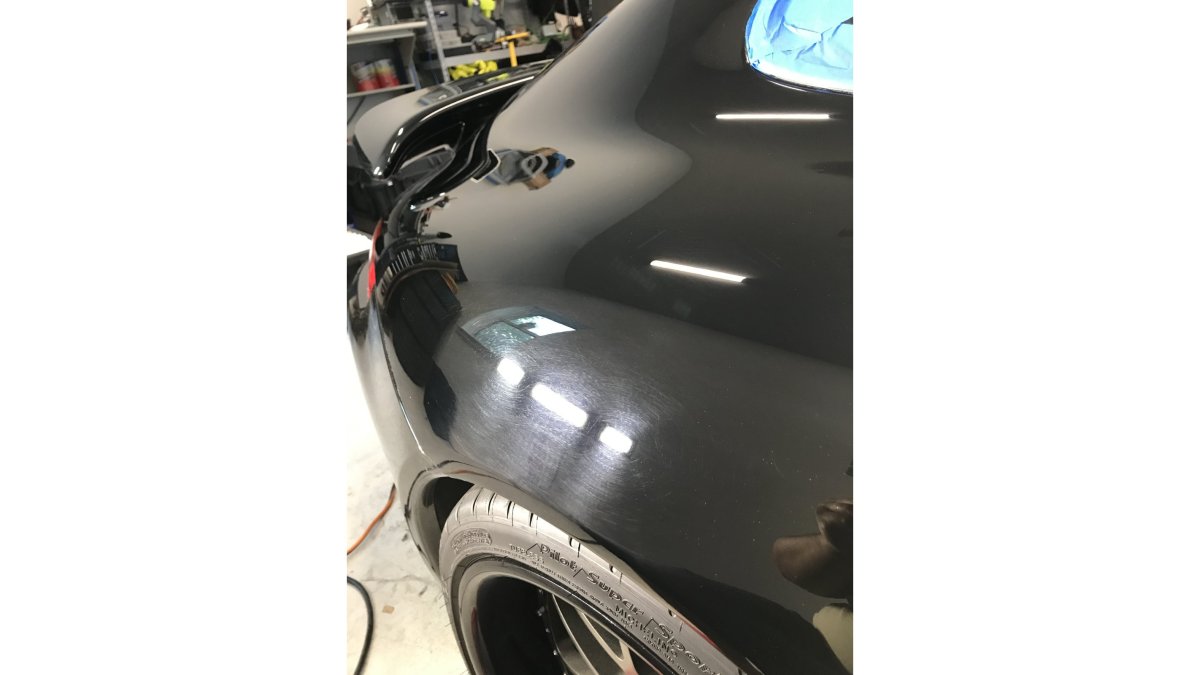
 how-to
Why Does Ceramic Coating Fail Prematurely?
Quick Summary
Premature ceramic coating failure usually comes from a combination of poor surface preparation, application mistakes, contamination and harsh daily care rather than one single cause. Declining water beading does not always mean the coating is gone, since residue can mask a coating that is still bonded. A professional inspection can separate coating issues from failing clear coat, lifting paint protection film or surface contamination before any polishing or removal.
- Skipping decontamination leaves iron, tar or old sealant that blocks a clean bond.
- Residue from wax, dressings or hard water can mask a coating that is still working.
- Harsh chemicals, automatic brush washes and hard water can degrade coating performance over time.
- Peeling or lifting in large pieces points to clear coat or film problems, not the coating.
- Get a professional inspection before aggressive polishing or removal to avoid losing paint.
Table of Contents
- What Premature Ceramic Coating Failure Actually Looks Like
- Why Reduced Water Beading Does Not Always Mean the Coating Is Gone
- Preparation and Application Mistakes That Shorten Coating Life
- How Contamination and Daily Care Affect Coating Performance
- How to Tell If Ceramic Coating Is Gone or Something Else Is Wrong
- Inspect Before You Polish or Remove a Failing Coating
- Book a Coating Inspection With Zenith Auto Works
- Frequently Asked Questions
Last Updated: November 1, 2026
Ceramic coatings are built to last for years, so when one starts to look dull, patchy or less water-repellent before its time, it is natural to wonder what went wrong. At Zenith Auto Works in Riviera Beach, we hear this question from owners in West Palm Beach and across Palm Beach County. The honest answer is that a coating rarely fails for one simple reason. It is usually a mix of preparation, application conditions, contamination and day-to-day care, and sometimes the problem is not the coating at all.
This guide explains the common causes of premature ceramic coating performance loss, how to tell a coating concern from other paint problems, and why a professional inspection should come before any aggressive polishing or removal.
What Premature Ceramic Coating Failure Actually Looks Like
Ceramic coating is a liquid polymer that bonds to the factory clear coat. Its job is to make the paint easier to clean, add gloss and resist some contamination. When it underperforms, the signs are usually gradual rather than dramatic.
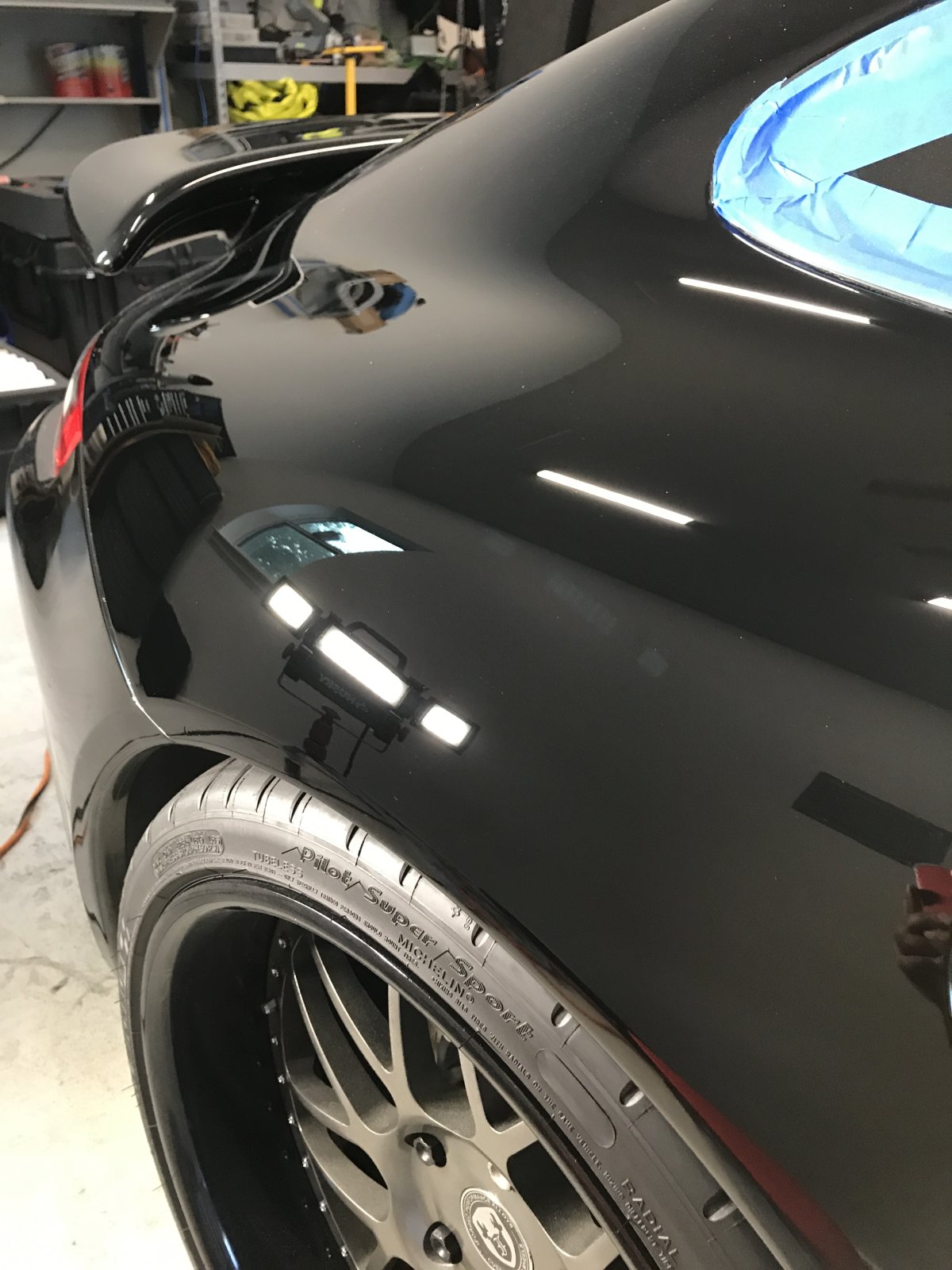
Common signs include:
- Weaker water beading: Water sheets off less, or forms larger, flatter droplets.
- Dull or spotty gloss: Some panels look shinier than others.
- Stubborn contamination: Dirt, road film or water spots bond more easily than before.
- Staining or etching: Bird droppings or tree sap leave marks.
A coating that has truly lost its bond can look hazy or uneven in patches. Many owners mistake normal wear for failure, so the question is always what the surface is actually telling you.
Why Reduced Water Beading Does Not Always Mean the Coating Is Gone
Water behavior is the most common reason owners assume a coating has failed. It is a useful clue, but it is not a verdict. A coating's water repellency can decline over time, and surface contamination can change how water behaves on the paint.
Residue from wax, dressings, hard water minerals or road grime can mask a coating that is still bonded and working. Once the surface is properly decontaminated, the beading sometimes returns. That is why we recommend cleaning and assessing water behavior together with other signs, rather than judging the coating by beading alone.
Preparation and Application Mistakes That Shorten Coating Life
Most premature problems trace back to the work done before the coating goes on. A ceramic coating can only bond as well as the surface beneath it allows.
Common preparation mistakes include:
- Skipping decontamination: Leftover iron particles, tar or old sealant block a clean bond.
- Inadequate paint correction: Swirls and etching sealed under the coating remain visible and are harder to fix later.
- Working in poor conditions: High humidity, direct sun and dusty environments all raise the risk of defects.
- Rushing the cure: Exposing the coating to water or chemicals before it has fully cured can weaken it.
Application errors matter too. Thick, uneven layers, missed areas and improper flash times can all reduce performance. Ask any shop how it prepares the surface and how it manages curing, and expect clear answers.
Most premature problems trace back to the work done before the coating goes on, and the mistakes below are the ones this article names.
Request Your Vehicle-Specific Estimate →
Mistake | What it does | Better practice |
|---|---|---|
Skipping decontamination | Leftover iron, tar or old sealant blocks a clean bond | Decontaminate fully before coating |
Inadequate paint correction | Swirls and etching sealed under the coating stay visible | Correct the paint before coating |
Working in poor conditions | High humidity, direct sun and dust raise defect risk | Control the environment during application |
Rushing the cure | Water or chemicals before full cure can weaken the coating | Protect the coating until it has fully cured |
How Contamination and Daily Care Affect Coating Performance
Even a well-applied coating depends on what happens afterward. Daily care is where many coatings lose ground.
- Harsh chemicals: Strong alkaline or acidic cleaners can degrade the coating over time.
- Automatic car washes: Abrasive brushes can cause micro-marring and dull the finish.
- Environmental fallout: Sap, bird droppings and industrial fallout bond to the surface if not removed promptly.
- Hard water: Mineral deposits can etch or stain the paint if left to dry.
Gentle, pH-neutral washing with proper drying technique goes a long way. Regular maintenance, including periodic decontamination and inspection, helps the coating perform as intended.
How to Tell If Ceramic Coating Is Gone or Something Else Is Wrong
Not every issue on the paint is a coating problem. Several other conditions can look similar.
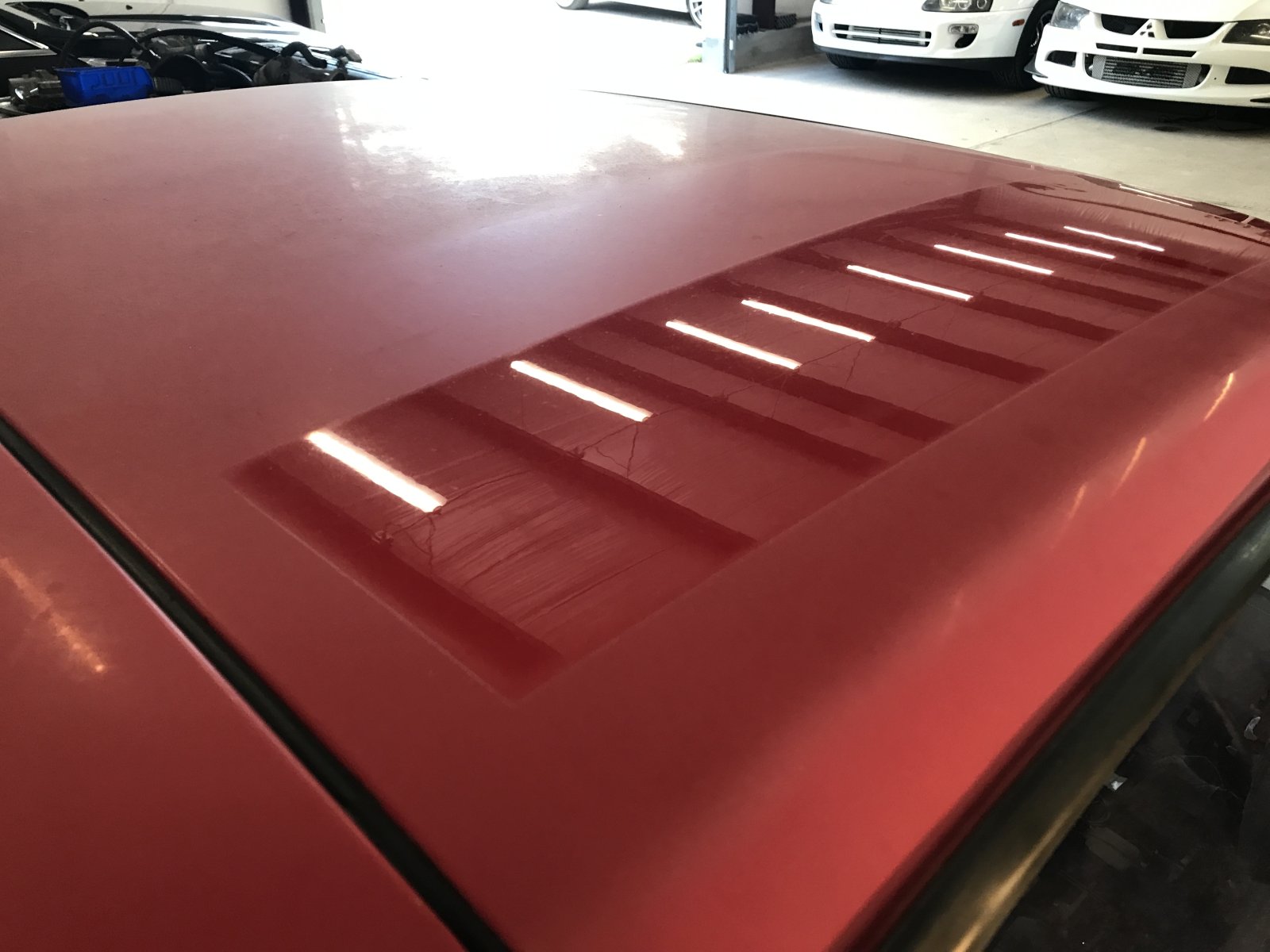
- Factory clear coat failure: Peeling, flaking or oxidized clear coat is a paint issue, and a coating will not fix it.
- Lifting paint protection film: Film that is lifting at edges or bubbling sits on top of the paint. It needs its own assessment.
- Surface contamination: Residue or mineral buildup can mimic coating failure.
- Light scratches and swirls: These are often mistaken for a coating that has worn away.
Ceramic Coating Versus Failing Clear Coat and Lifting PPF
Ceramic coating is a thin, bonded layer. It is not a film that peels off in a sheet. If you see material lifting in large pieces, the problem is more likely the clear coat or a film edge. A coating concern usually shows up as reduced gloss, weaker beading or staining across the surface, not as physical separation from the paint. A proper inspection can tell these conditions apart.
Inspect Before You Polish or Remove a Failing Coating
Before you try to polish, strip or re-coat a surface, get it inspected. Aggressive polishing can remove paint that cannot be replaced, and attempting removal without a clear diagnosis can make the situation worse.
A professional inspection should help identify the cause of the problem before any work begins, so you can make an informed decision about the safest next step.
Book a Coating Inspection With Zenith Auto Works
If your coating seems to be declining early, the best first step is an honest evaluation. Zenith Auto Works offers ceramic coating services for Riviera Beach and the surrounding area, and we can help you understand what is happening before any work begins. Learn more about our ceramic coating service.
If the paint needs correction before a new coating, we can explain that option too. See our paint correction options.
When you are ready, contact Zenith Auto Works to request a vehicle-specific estimate. Call (561) 676-6599 or reach us through our contact page, and we will review your vehicle's condition and recommend the right next step.
Frequently Asked Questions
Why does ceramic coating fail prematurely?
Premature loss of performance usually comes from a combination of factors rather than one defect. Common causes include inadequate paint preparation before application, residues left on the surface that weaken bonding, improper curing, and long-term exposure to contaminants such as road grime, industrial fallout, and harsh cleaning products. Hot, sunny conditions like South Florida's can also accelerate wear when coatings are not maintained. Following the manufacturer's preparation and aftercare guidance reduces the chance of early loss of performance. If you are unsure what happened to your coating, an inspection is the most reliable way to find out.
Does reduced water beading mean a ceramic coating is gone?
Not necessarily. Reduced water beading is a sign the surface is behaving differently, but it does not on its own prove the coating has failed. Contamination such as mineral deposits, oils, and product residue can mask the hydrophobic behavior, and even a healthy coating can look flatter until it is properly cleaned. Before drawing conclusions, clean the surface thoroughly with a pH-neutral product recommended for coated paint, then check how water behaves again. If beading stays poor after decontamination, have a professional assess the paint before deciding on next steps.
Should I polish or remove a ceramic coating that seems to be failing?
Avoid aggressive polishing or attempting removal until the coating has been inspected. Polishing can remove material from the paint and coating, and removal is a separate process that should match the coating type and the condition of the paint underneath. Many apparent failures are contamination or maintenance issues that a proper decontamination resolves. At Zenith Auto Works, we recommend a documented inspection first so you know whether the coating needs correction, recoating, or simply better care. You can request an estimate through our contact page.