 how-to
Paint Correction and Ceramic Coating Package Guide
Last Updated: November 4, 2026
Quick Summary
If your paint already looks good under inspection lighting, ask about coating with only the preparation your vehicle needs. If you see light wash swirls or dullness, start by asking about 1 Step. If you see heavier swirls or haze and want a clearer finish, ask us to assess 2 Step. A new car can fall into any of these groups depending on its condition.
Polishing improves the finish you see. Ceramic coating helps water bead and makes routine washing easier. If highway rock chips are your main concern, ask about paint protection film for the panels most exposed to road debris.
Before booking, ask for a written estimate that separates paint preparation and correction from the coating, identifies the coating product and covered surfaces, and gives you a pickup window and first-wash date.
Table of Contents
- What a Paint Correction and Ceramic Coating Package Includes
- One-Step Paint Correction Cost and What Affects the Price
- Two-Step Paint Correction and Ceramic Coating: When the Extra Stage Pays Off
- Why Paint Correction Comes Before Ceramic Coating
- How Long Paint Correction and Ceramic Coating Take
- What Correction Can and Cannot Remove
- Booking Your Paint Correction and Ceramic Coating Estimate at Zenith Auto Works
- Frequently Asked Questions
What a Paint Correction and Ceramic Coating Package Includes
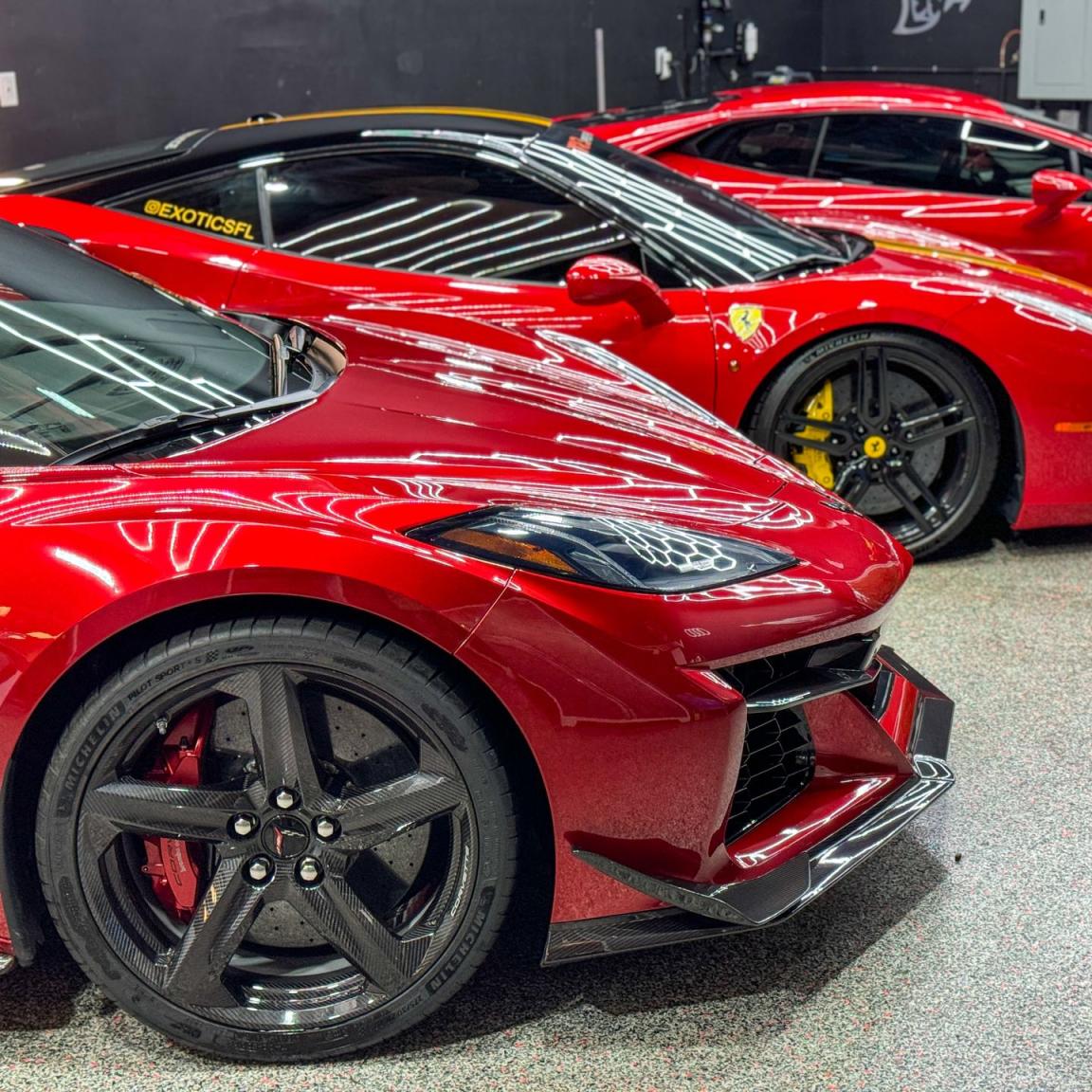
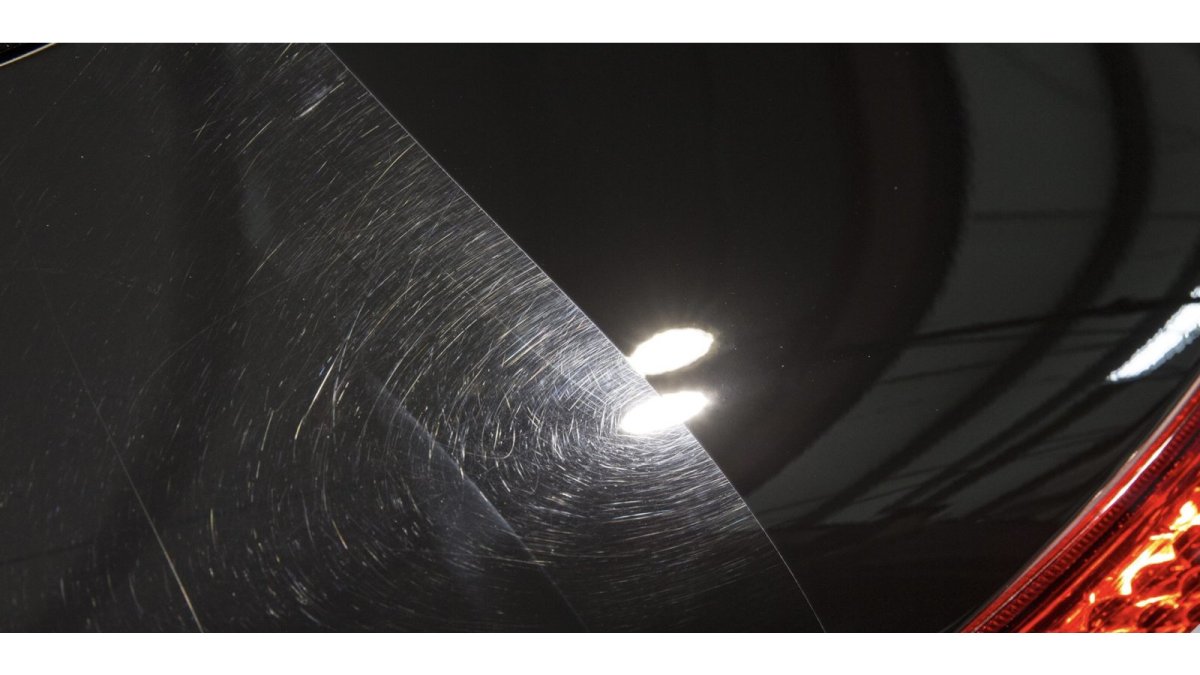
A paint correction and ceramic coating package pairs two services that do different jobs. Paint correction removes or reduces defects in the clear coat, such as swirl marks, light scratches and oxidation. Ceramic coating then bonds a protective layer to the corrected paint that repels water and makes the finish easier to clean.
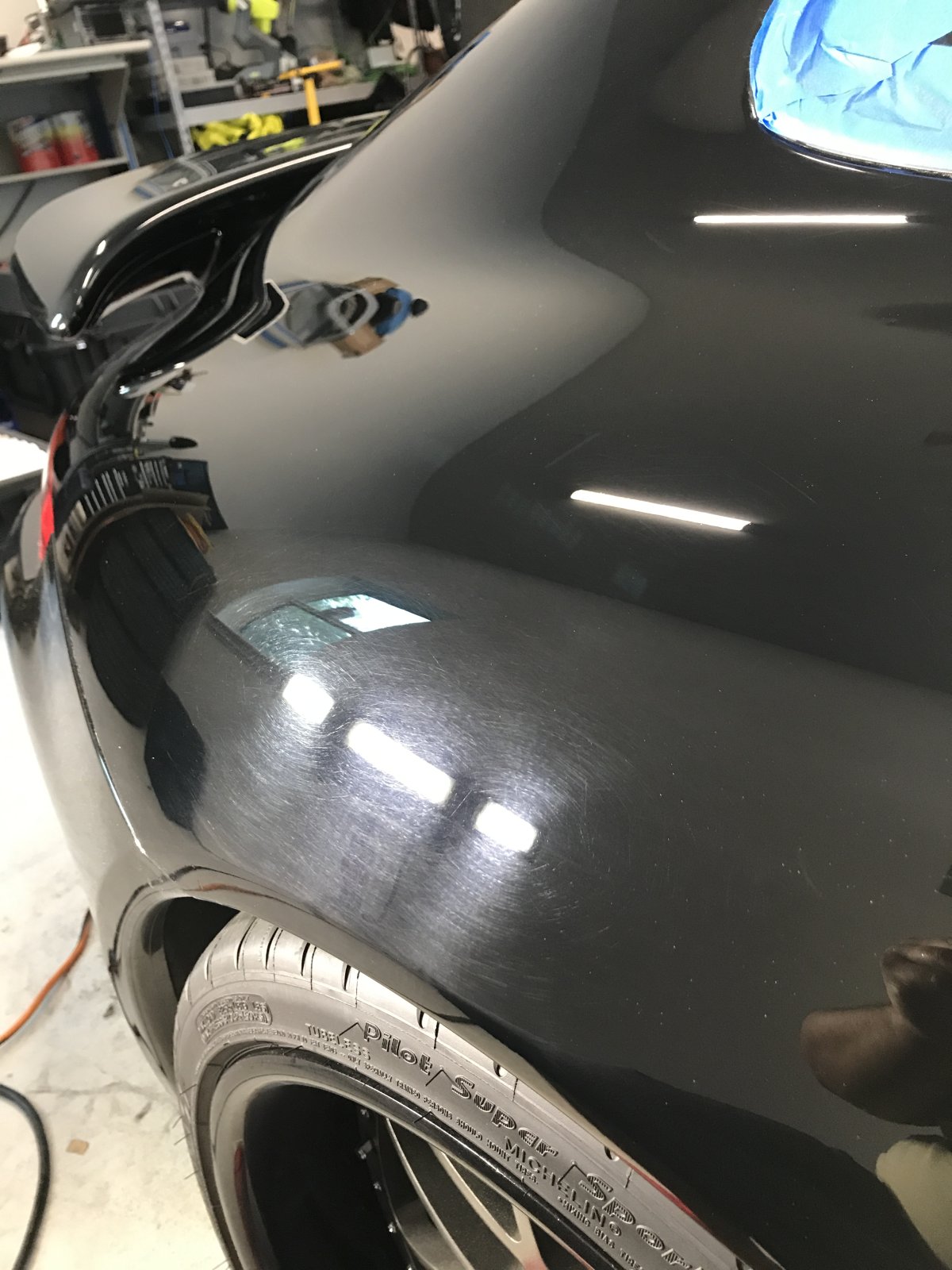
At Zenith Auto Works, we treat correction as the foundation and coating as the protection. The coating can only protect the surface it is applied to, so the paint needs to be prepared first. A typical package includes decontamination, paint assessment, correction to an agreed scope, surface preparation and coating application with curing time.
The step-by-step path from inspection to pickup
Most packages follow the same sequence, and knowing it helps you compare quotes that use different wording:
- Inspection and paint assessment. We look at the vehicle under controlled lighting, check paint thickness where appropriate, and note the defects that are safe to chase and the ones that should stay. This is where we agree on 1 Step, 2 Step or Pinnacle scope.
- Wash and chemical decontamination. A strip wash removes old wax and sealant, then we use appropriate products to remove bonded iron and tar from the paint surface. Claying or a mechanical decontamination step follows so the surface is genuinely clean.
- Paint correction. We work the agreed stages with a machine polisher, checking panels as we go. One step is one polishing stage, potentially multiple passes; two step separates cutting and finishing.
- Surface preparation. After correction, polishing oils and dust are removed with a product-specific prep so the coating can bond to bare, clean clear coat rather than sitting on residue.
- Coating application. The coating is applied panel by panel in a controlled space, leveled, and left to cure. Curing time is separate from our working hours and affects when the car should be washed or exposed to moisture.
- Final inspection and handover. We review the finish with you, explain the cure window, and go over aftercare so the coating performs as intended.
A quote that jumps straight from wash to coating, with no decontamination or prep step, leaves the coating bonding to any contamination still on the paint.
Why this package matters more in Riviera Beach and Palm Beach County
South Florida's sun, heat and humidity can take a toll on paint, and vehicles parked outdoors or driven near the coast often collect salt and other contamination.
Correction before coating is a sensible approach for paint exposed to this kind of climate. Correction can restore clarity to swirled clear coat, and a coating can make routine washing easier between services. It does not make the paint invincible and does not replace washing.
Our paint correction services are offered as 1 Step, 2 Step and Pinnacle packages. You can review the full scope on our paint correction page, and see the protection side on our ceramic coating page.
One-Step Paint Correction Cost and What Affects the Price
Pricing depends on the condition of your paint, the size of your vehicle and the level of correction and coating you choose. Our paint correction page lists starting prices. A combined correction and coating package is quoted for your vehicle after we agree on the preparation and coating scope.
Several factors shape the final number:
- Paint condition: Heavier swirl marks and scratches need more polishing passes.
- Vehicle size and body style: Larger vehicles have more surface area to correct and coat.
- Paint type: Some finishes are harder to correct safely than others.
- Coating level: Higher-end coatings and longer curing requirements raise the cost.
A one-step correction is one polishing stage, which may include several passes. It is usually the right fit for a vehicle with light to moderate defects. Heavier damage may call for a two-step approach.
One-step versus two-step correction
A one-step process uses a single polishing stage to improve gloss and reduce light defects. A two-step process separates cutting and finishing. The cutting stage removes deeper defects, and the finishing stage refines the surface afterward.
Two-step work takes more time, but it can address defects a single stage cannot fully reach. We assess each vehicle in person before recommending a level.
Here are the main factors we consider when quoting a correction and coating package.
| Factor | ** Effect on price** | ** Note** |
|---|---|---|
| Paint condition | Heavier swirl marks and scratches need more passes | Assessed in person |
| Vehicle size and body style | Larger vehicles have more surface to correct and coat | Affects total labour |
| Paint type | Some finishes are harder to correct safely | Confirmed at inspection |
| Coating level | Higher-end coatings and longer curing raise cost | Chosen with you |
Two-Step Paint Correction and Ceramic Coating: When the Extra Stage Pays Off
The extra stage is worth considering when the paint has deeper scratches, heavier oxidation or more visible swirl marks. A cutting stage removes more material to level the defects, and a finishing stage restores gloss and clarity.
Sanding is not part of every correction. It requires an individual assessment, and it is not suitable for every vehicle. Some deep scratches will remain after correction, because removing them would thin the clear coat beyond a safe limit.
Ask to see a test spot under inspection lighting if you are deciding between correction levels. It gives you a way to judge how much the finish improves before committing to more work.
Request Your Vehicle-Specific Estimate →
Is the second step worth paying for?
If the first polishing stage gives you the clarity you want, 1 Step may be enough. A separate cutting and finishing process makes more sense when widespread defects still interrupt reflections and the paint can safely tolerate additional work. On a daily driver, you may prefer a glossier overall finish and choose to leave a few isolated scratches alone.
How to choose your correction level
Package names only help once you know what your paint actually needs. Use this practical guide to narrow it down before your estimate:
- Choose 1 Step if the paint is in good shape with light swirl marks, faint wash marring or mild dullness, and you mainly want a coating applied over a cleaner, glossier surface. One polishing stage, potentially multiple passes, is usually enough for a daily driver that has been reasonably cared for.
- Choose 2 Step if you can see clear swirl marks in direct sun, the finish looks hazy or oxidized, or there are light-to-moderate scratches you want reduced. The cutting stage goes after the defects and the finishing stage refines the surface so the coating has a crisp, uniform base.
- Consider Pinnacle if the paint has heavier defect load, you want the highest level of refinement we can safely reach, or the vehicle is a show or weekend car where finish quality is the priority. Pinnacle is our most involved correction scope, and we confirm exactly what it includes for your vehicle during inspection.
Three factors drive the decision more than anything else:
- Defect severity. Surface-level marring responds to a single stage. A scratch you can feel with a fingernail may be too deep to remove safely.
- Vehicle use. A car parked outside in West Palm Beach or driven daily near the coast sees more sun, salt air and wash wear, so protecting a well-corrected surface tends to matter more.
- Your finish goal. If you want the paint to look noticeably better under a coating, one stage often does it. If you want the clearest reflection and the fewest remaining defects, plan on two stages or Pinnacle.
Choosing a higher correction level does not guarantee every scratch disappears. Correction works within safe clear-coat limits, and we will tell you which defects we expect to improve and which are likely to stay.
Realistic results and defect-removal limits
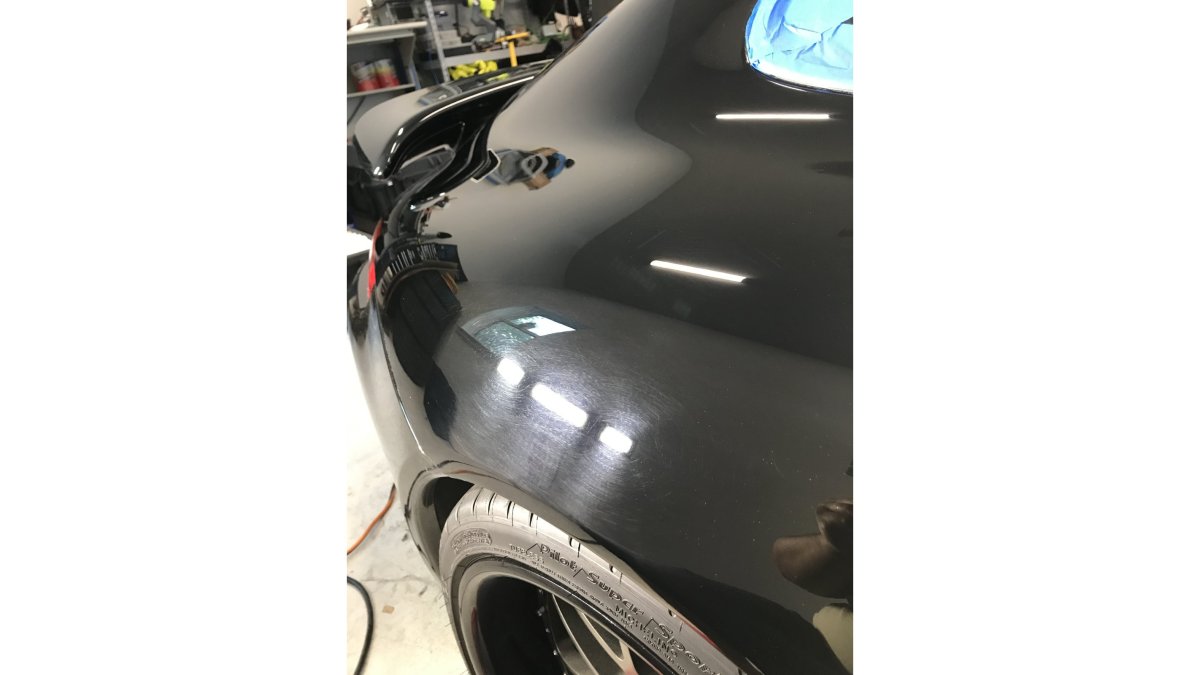
Correction improves gloss by leveling the clear coat around defects. It can reduce light swirl marks, oxidation and minor scratches, but it cannot fix everything. Deep scratches that reach the paint layer or primer may need more than polishing, and some scratches will be reduced rather than erased.
We correct to the scope agreed with you and preserve safe paint thickness. Our goal is a clear, durable finish, not a perfect surface at any cost. When you book an estimate, we inspect the paint in person, explain which level fits, and set expectations for what the coating will and will not do on your specific vehicle.
Why Paint Correction Comes Before Ceramic Coating
Ceramic coating bonds to the surface beneath it. If that surface has swirl marks, contamination or oxidation, the coating sits over those flaws and locks them in place. This is why correction usually comes first.
Preparation matters as much as the coating itself. Decontamination removes bonded iron and tar, and the surface needs to be clean and dry before application. Skipping these steps can reduce how well the coating bonds.
Coating does not remove existing defects. It protects the surface as it is when applied. Correction is what improves the finish.
How Long Paint Correction and Ceramic Coating Take
Timing depends on the scope of work. Correction time generally increases with the number of stages and the amount of defect work needed. Coating then requires curing time before the car can be washed or exposed to moisture, and that schedule is separate from our working hours.
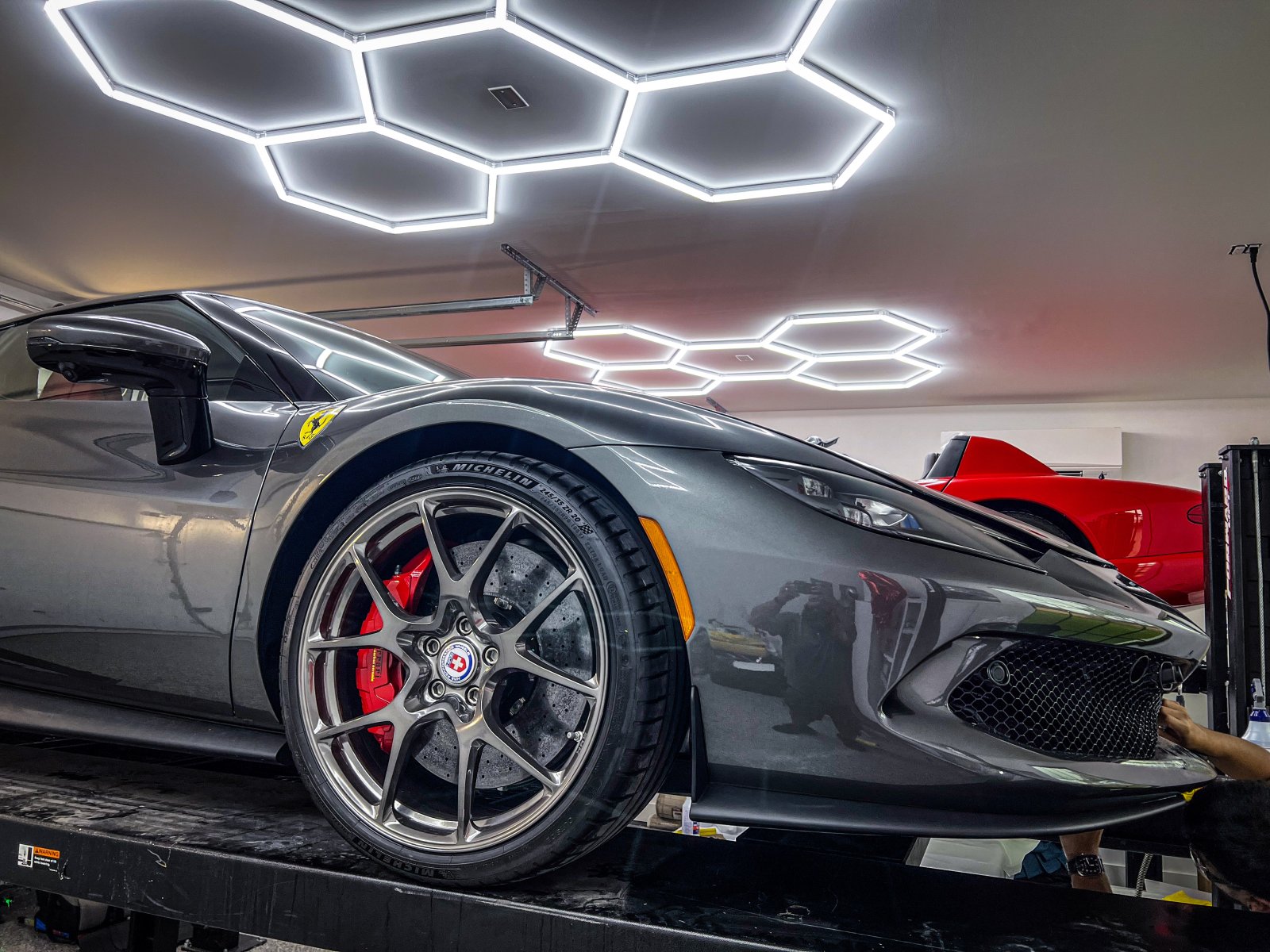
We do not publish a fixed turnaround because every vehicle is different. During your estimate, we explain the expected working hours, the coating cure window and when the vehicle will be ready for pickup. If you park outside or need the car for work the next day, tell us when booking. Ask separately when the vehicle can get wet and when it can be washed, since pickup and first-wash timing can differ.
What Correction Can and Cannot Remove
Correction improves gloss by leveling the clear coat around defects. It works well on light swirl marks, oxidation and minor scratches. It cannot fix everything.
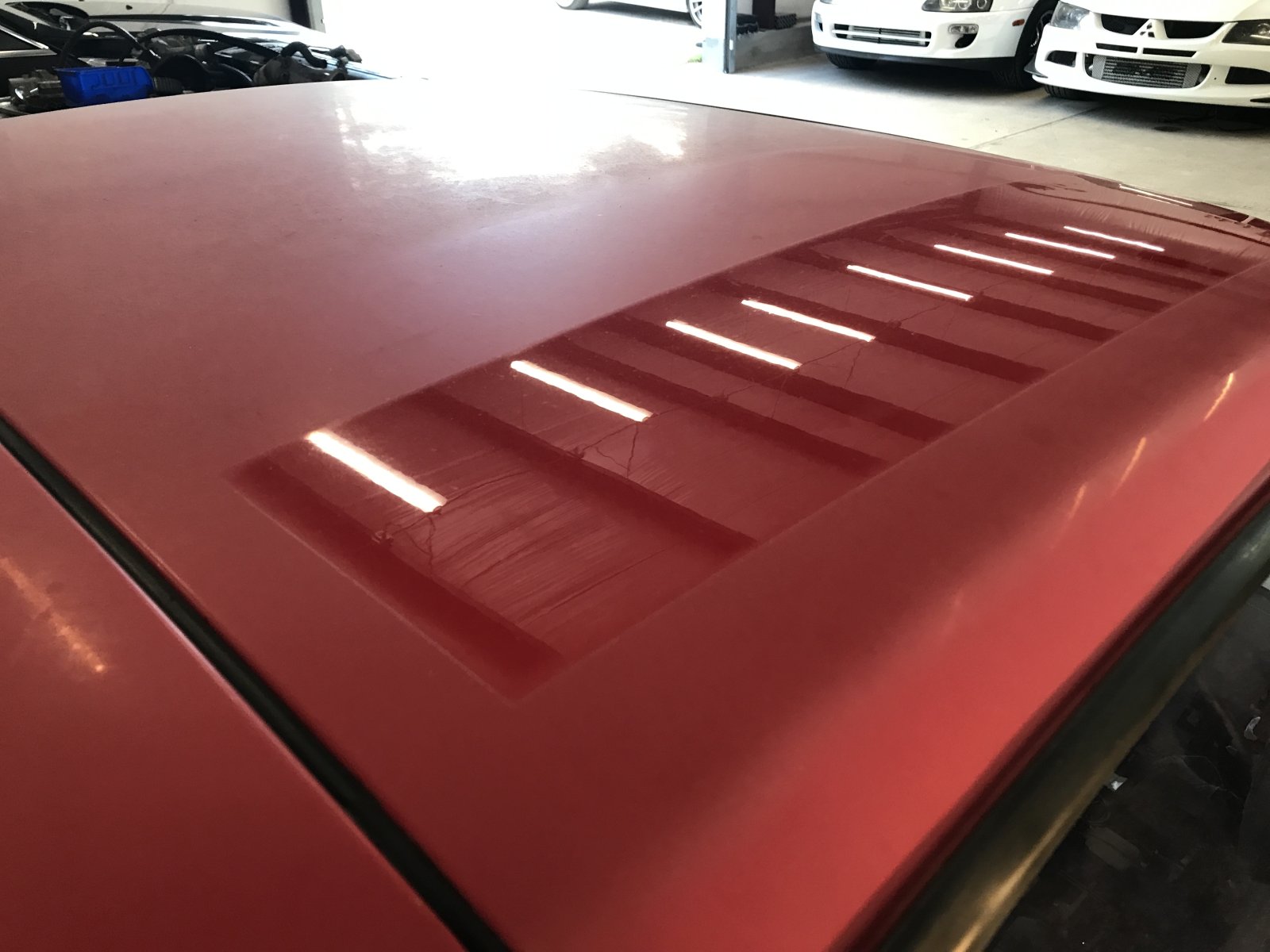
Deep scratches that reach the paint layer or primer usually require more than polishing. Some scratches will be reduced rather than erased, and correction will not repair chips, dents or damage that goes through the clear coat.
We correct to the scope agreed with you, and we preserve safe paint thickness. Our goal is a clear, durable finish, not a perfect surface at any cost.
Booking Your Paint Correction and Ceramic Coating Estimate at Zenith Auto Works
The right package depends on your paint condition, how you use the vehicle and how much protection you want. We inspect the paint in person and explain which correction level fits, what the coating includes and what to expect on timing.
Request a vehicle-specific estimate by contacting our team or calling (561) 676-6599. We serve Riviera Beach, West Palm Beach and Palm Beach County from our shop in Riviera Beach, Florida.
Explore our ceramic coating options before you book, and read more on our paint correction page.
Frequently Asked Questions
Is a paint correction and ceramic coating package worth it?
For many vehicles it is, because the coating protects the finish only after the paint has been prepared. Correction removes swirl marks and light scratches from the clear coat so the coating bonds to a smooth surface and shows the gloss it is meant to. The value depends on the paint's current condition, how long you plan to keep the vehicle, and how much you care about appearance. Zenith Auto Works inspects each vehicle and recommends a package based on what it finds, and we can outline the expected results before any work begins.
What is the difference between one-step and two-step paint correction?
One-step correction uses a single polishing stage, sometimes across multiple passes, to reduce light swirls and improve gloss. Two-step correction separates the work into a cutting stage to address deeper defects and a finishing stage to refine the surface. Two-step work usually suits paint with heavier defects. Which level fits depends on paint condition, and some deep scratches may remain after either approach to protect the paint's safe thickness.
Can paint correction remove every scratch?
No. Paint correction removes a thin layer of clear coat to level the surface, so it can reduce light swirl marks and shallow scratches. Deep scratches that reach the base coat or primer often cannot be removed safely, because polishing further would risk the paint's protective limits. An inspection before work begins identifies which defects can be improved and which will remain.