 blog
Best Ceramic Coating for a New Car: What Actually Protects Fresh Paint
Last Updated: November 7, 2026
Quick Summary
At Zenith Auto Works in Riviera Beach, we install Ceramic Pro ceramic coatings on new cars. Ceramic Pro Sport is our entry package for gloss and easier washing. For long-term ownership, compare our Ceramic Pro ION packages by paint preparation, covered surfaces, and written warranty terms.
We inspect new paint before recommending correction. Light swirls may benefit from polishing. Paint that already looks good may only need coating prep. If rock chips are your main concern, ask about Ceramic Pro PPF Gloss for exposed panels.
Table of Contents
- Why a New Car Still Needs a Paint Inspection First
- What Separates the Best Professional Ceramic Coating for Cars
- Paint Correction Before Ceramic Coating: When a New Car Needs It
- Ceramic Coating vs. Paint Protection Film for a New Car
- What a Ceramic Coating Protects Against in South Florida
- Ceramic Coating Maintenance That Keeps the Finish Working
- Request a Vehicle-Specific Coating Estimate
- Frequently Asked Questions
Why a New Car Still Needs a Paint Inspection First
The best ceramic coating for a new car is not simply the most expensive bottle on a shelf. It is the coating applied over paint that has been properly inspected, cleaned, and prepared. At Zenith Auto Works in Riviera Beach, we start every coating conversation with an inspection because factory-fresh paint is rarely as flawless as the showroom light suggests.
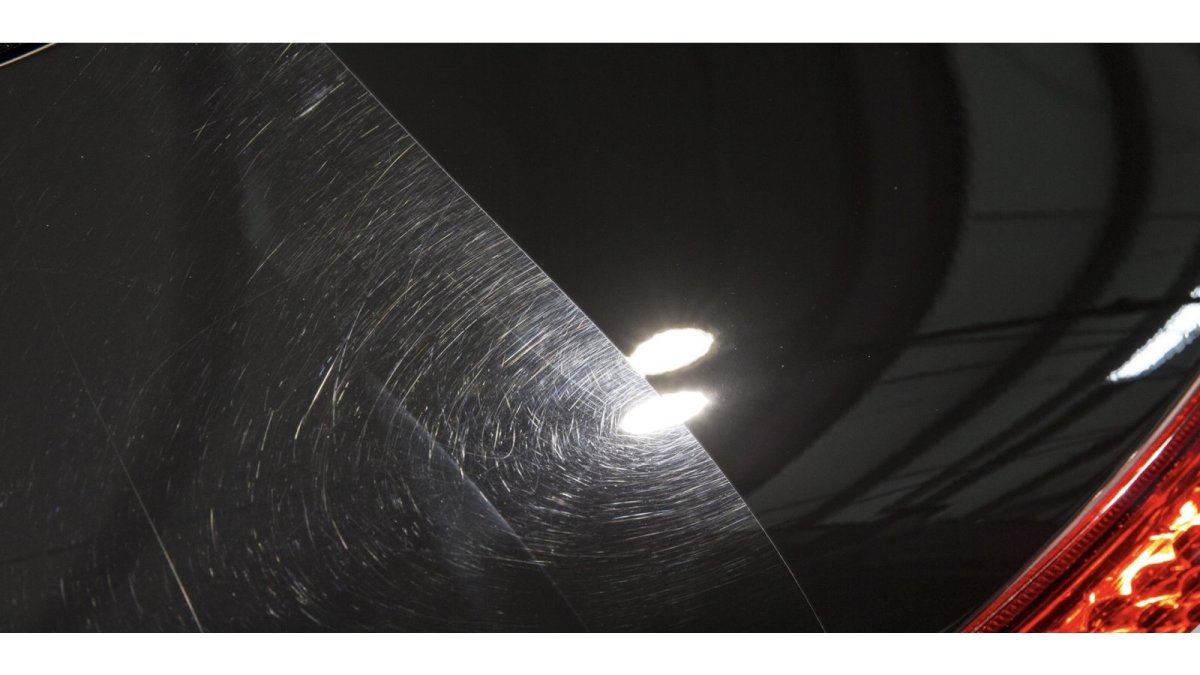
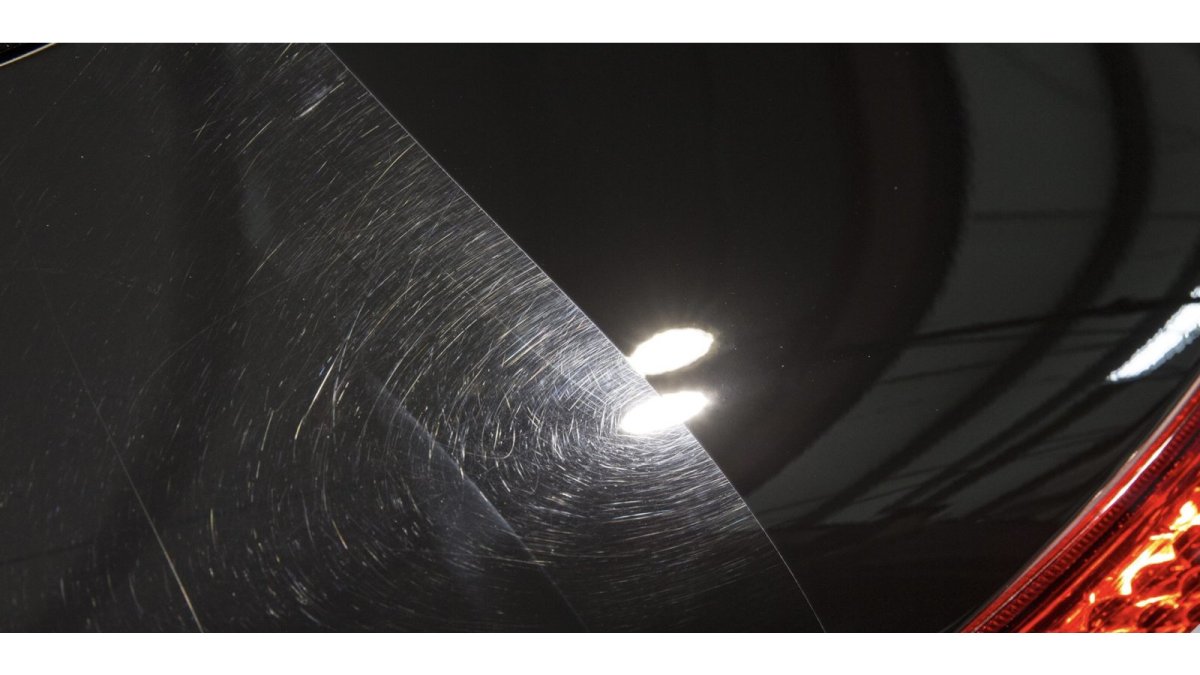
New paint can carry contaminants picked up in transit or on the lot, and it can arrive with light surface marring. A coating locks in whatever sits beneath it, so the inspection decides whether a simple decontamination is enough or whether paint correction belongs in the plan.
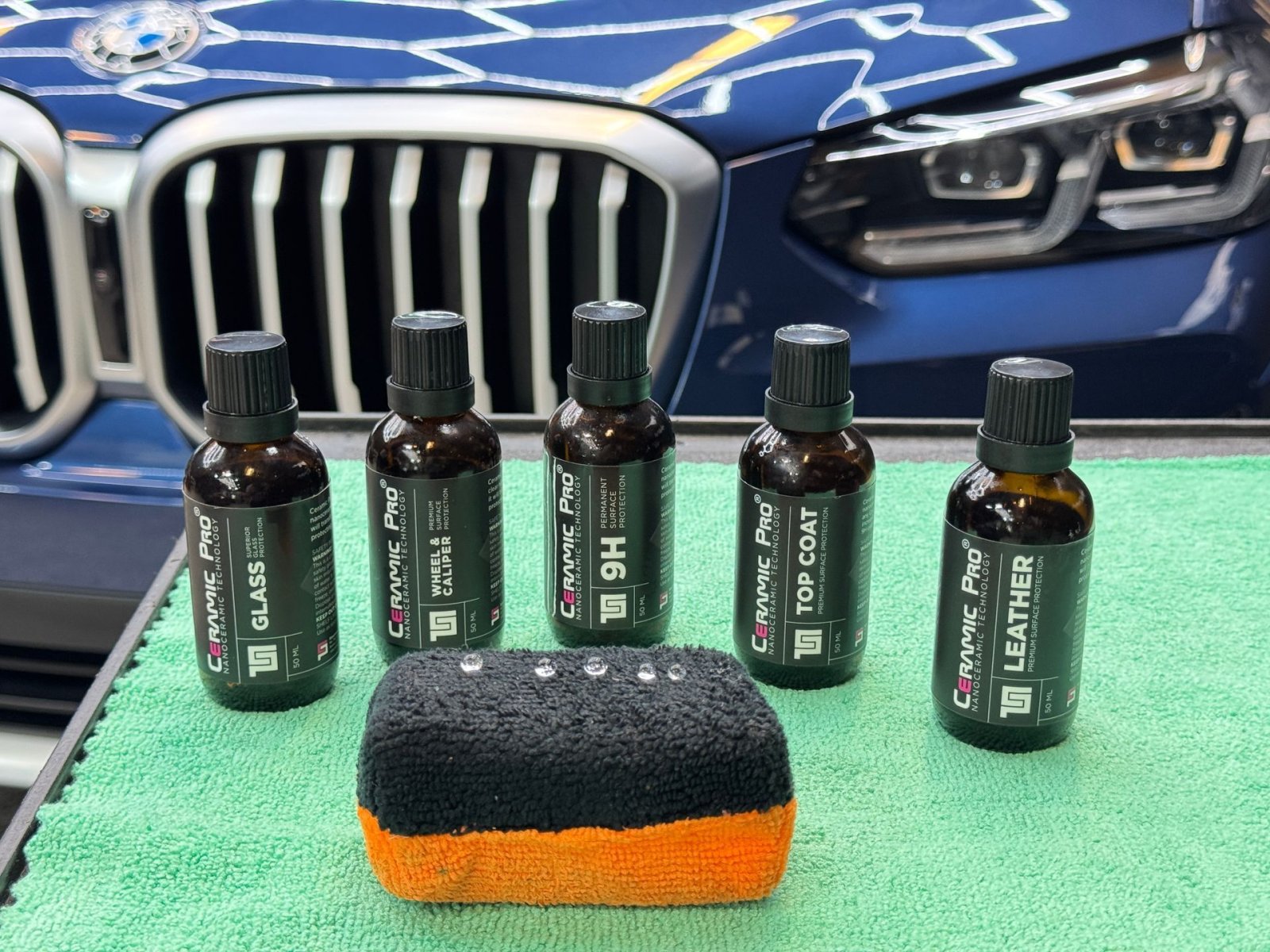
Ceramic Pro products shown include coatings for paint, glass, wheels, and leather. Ask which surfaces your package covers.
What We Look For on Fresh Factory Paint
We inspect paint carefully before recommending any work, checking for surface contamination and defects so the plan matches what the paint needs. Deeper scratches and sanding marks need a different conversation.
That inspection is also where we confirm what kind of finish the coating must bond to. A ceramic coating is a liquid polymer that cures into a hard, hydrophobic layer over the clear coat (Ceramic Coating vs. Paint Protection Film). It bonds to a clean, stable surface. Skipping preparation is a common reason coatings fail early.
What Separates the Best Professional Ceramic Coating for Cars
Prep, product, and installer separate a coating that lasts from one that disappoints. A premium coating applied over contaminated paint underperforms a mid-tier product applied after a full decontamination and polish. The chemistry matters, but the process matters more.
Our shop is factory trained with Ceramic Pro, XPEL, STEK, and Eastman Performance, and we have installed materials from all four in our own shop. You can review the full ceramic coating service and what each stage includes before you commit.
The Criteria We Actually Compare Coatings On
When evaluating a coating for a new car, the factors that matter most include:
Professional Installation vs. DIY on a New Car
DIY ceramic coatings are real products and some perform well for a careful owner. The honest comparison is not bottle versus bottle; it is outcome versus outcome.
A professional installation involves careful preparation and application under controlled conditions, with the coating given time to cure before the car is exposed to moisture or heavy sun. A DIY application in a home garage usually skips at least one of those steps, and the most common misses are decontamination and cure control. A coating applied over bonded iron or in high humidity can look fine for a month and then bead unevenly or develop streaks.
Manufacturer warranty terms vary by product, and they generally depend on the product's written requirements. Warranty coverage for a DIY coating may differ from professionally installed work. If long-term documentation matters to you, that is a professional-installation decision more than a product decision.
Watch out: coatings applied over unremoved contamination and old wax can bead unevenly over time.
Matching the Coating to How You Park
A new car in Riviera Beach is not the same ownership proposition as a new car in a garage upstate. Coastal salt air, intense UV, and frequent afternoon rain all stress a coating. Owners who park outside and drive daily benefit most from a coating with strong UV resistance and a documented maintenance schedule. Owners who garage the car and drive it occasionally can prioritize gloss and ease of washing. Neither choice is universal; the right answer depends on exposure, washing habits, and how long you plan to keep the car. If you are unsure which direction fits, the detailing service page covers the wash and maintenance side that keeps any coating working.
Paint Correction Before Ceramic Coating: When a New Car Needs It
Paint correction before ceramic coating is necessary when the inspection finds defects the owner cannot live with. A coating does not remove swirl marks or scratches; it seals them under a glossy layer that makes them easier to see. If the paint has visible marring, correction comes first.
We offer three paint correction packages: 1 Step, a single polishing stage that may involve multiple passes; ** 2 Step**, which separates cutting and finishing; and ** Pinnacle**, our most thorough option. Sanding requires an individual assessment and does not suit every car. We work within safe paint limits, and some deep scratches should stay rather than risk thinning the clear coat. If you want to understand the process in detail, review the paint correction service before your estimate.
Ceramic Coating vs. Paint Protection Film for a New Car
Ceramic coating and paint protection film solve different problems. A coating adds hydrophobicity, chemical resistance, and easier washing. Film adds a physical barrier against rock chips and road debris. On a new car driven daily on Florida highways, the two work best together: film on the impact zones, coating over the film and the remaining paint.
We recommend Ceramic Pro PPF Gloss for owners who want impact protection. Coverage options include Full Front (hood, front fenders, front bumper, headlights, and mirror caps), ** High Impact** (Full Front plus rocker panels, rear wheel impact areas, A-pillars, and the front third of the roof), and ** Full Vehicle**, with exact inclusions confirmed in consultation. Self-healing applies to minor surface marks, not punctures or deep cuts. Compare the paint protection film options alongside coating before you decide.
| Option | ** Best For** | ** What It Does** | ** Limitation** |
|---|---|---|---|
| Ceramic coating only | Garage-kept or low-chip-risk cars | Gloss, water beading, easier washing | No impact protection |
| PPF only | High-mileage daily drivers | Physical chip and scratch barrier | Needs its own care routine |
| PPF plus coating | New cars in daily Florida use | Impact barrier plus hydrophobic top layer | Higher upfront investment |
What a Ceramic Coating Protects Against in South Florida
South Florida punishes paint in ways a national product roundup rarely addresses.
UV exposure. Clear coat is a polymer, and prolonged UV breaks its chemical bonds over time. That shows up as oxidation, a chalky, dull surface that no longer reflects sharply.
Coastal salt air. Riviera Beach and the barrier islands put cars in a salt-laden environment even when they never touch the beach. Airborne salt deposits settle on paint and, combined with morning dew, create a mildly corrosive film.
Intense sun and heat. Surface temperatures on a dark hood parked in the Florida sun climb well above ambient air temperature. Heat accelerates the breakdown of waxes and cheap sealants and stresses the coating itself. No coating eliminates heat exposure.
Bird droppings, lovebugs, and tree sap. These are acidic or sticky contaminants that etch clear coat if left for a day or two, especially in heat.
Rain and water spotting. Frequent afternoon storms mean frequent wet-dry cycles. On an unprotected car, mineral content in rain and irrigation water leaves spots that bond to the surface.
What a Coating Does Not Stop
A ceramic coating does not prevent rock chips or make paint scratch-proof, which is why impact zones on daily drivers are often paired with paint protection film. A coating also does not remove existing swirl marks or scratches, which is why inspection and correction come first.
Why the Local Angle Changes the Recommendation
A national roundup can tell you which bottle beads water best. It cannot tell you that a car parked near the Intracoastal will see more airborne salt than one garaged inland, or that a daily commuter on I-95 sees more road debris than a weekend car. Those differences change whether we recommend coating alone, coating plus film on the front end, or a maintenance plan built around more frequent rinsing. Owners searching for ceramic coating near me should expect a shop to explain both the protection and its limits, not just sell the coating. If you want to see how film and coating work together, review the paint protection film options before your estimate.
Ceramic Coating Maintenance That Keeps the Finish Working
Ceramic coating maintenance is simple but not optional. Wash the car every two to four weeks with a pH-neutral soap, use the two-bucket method, and dry with a clean microfiber towel. Avoid automatic brush washes, which reintroduce the swirl marks the coating is meant to resist. Remove bird droppings and bug splatter promptly rather than waiting for the next wash.
Annual inspections can help keep a coating performing and support warranty requirements where they apply. If a coating has already started failing, our guide on why ceramic coating fails prematurely walks through the warning signs. Skipping maintenance washes can dull a coating and reduce its water beading.
Request a Vehicle-Specific Coating Estimate
Every new car is different, and so is every owner's driving pattern. A garage-kept weekend car and a daily commuter across Palm Beach County need different coverage, different correction levels, and different care plans. Estimates are based on your specific vehicle and paint condition.
Zenith Auto Works is a veteran-owned shop in Riviera Beach serving West Palm Beach and Palm Beach County. We are factory trained with Ceramic Pro, XPEL, STEK, and Eastman Performance, and we install materials from all four in our own shop. Contact us for a vehicle-specific recommendation and estimate.
Bring us your new car and let us inspect the paint before anything is applied. We will show you what we find, explain your coating and film options, and build an estimate around your vehicle. Get started with Zenith Auto Works and request a vehicle-specific estimate, or call (561) 676-6599.
Frequently Asked Questions
Is it a good idea to put ceramic coating on a brand new car?
Yes, provided the paint is inspected and prepared first. Factory paint often arrives with swirl marks, water spots, or transport contamination that should be addressed before coating. A ceramic coating bonds to a clean, corrected surface and adds a sacrificial layer that makes washing easier and helps resist UV, bird droppings, and road grime. It does not replace paint protection film for impact protection. Contact Zenith Auto Works for a vehicle-specific recommendation and estimate.
Does a new car need paint correction before ceramic coating?
Not always, but often. New cars sit on lots, get washed by dealers, and travel by rail or truck, which can leave light marring and contamination. A 1 Step polish may be enough for most new vehicles, while a 2 Step or Pinnacle package is reserved for paint with deeper defects. Coating locks in whatever is underneath, so correcting first protects the result. We assess paint depth and defect severity in person and correct only to the agreed scope, since some deep scratches should stay rather than risk thinning the clear coat.
How long does ceramic coating last on a new car?
Longevity depends on the product, preparation, and maintenance. A professionally installed coating from a reputable brand can last several years when washed correctly and inspected periodically, but we do not promise a fixed number without knowing the product line and driving conditions. South Florida sun, salt air, and daily commuting all affect the coating. Regular maintenance washes and an annual inspection help you get the most from the investment. Ask for the specific product's written terms before you commit.
Is ceramic coating better than paint protection film for a new car?
They solve different problems, and many new-car owners use both. Ceramic coating adds gloss, chemical resistance, and easier cleaning, but it does not stop rock chips. Paint protection film, such as Ceramic Pro PPF Gloss, absorbs impact from road debris and is the better choice for the front bumper, hood, and mirrors on a daily driver. A common approach is film on high-impact areas with coating over the film or on the remaining paint. We help you decide based on how and where you drive.